A meeting with Amy Slaton of TLC's 1000-lb Sisters got me thinking about AI, creativity, and what it takes to build a career in music.
Meeting Amy Slaton
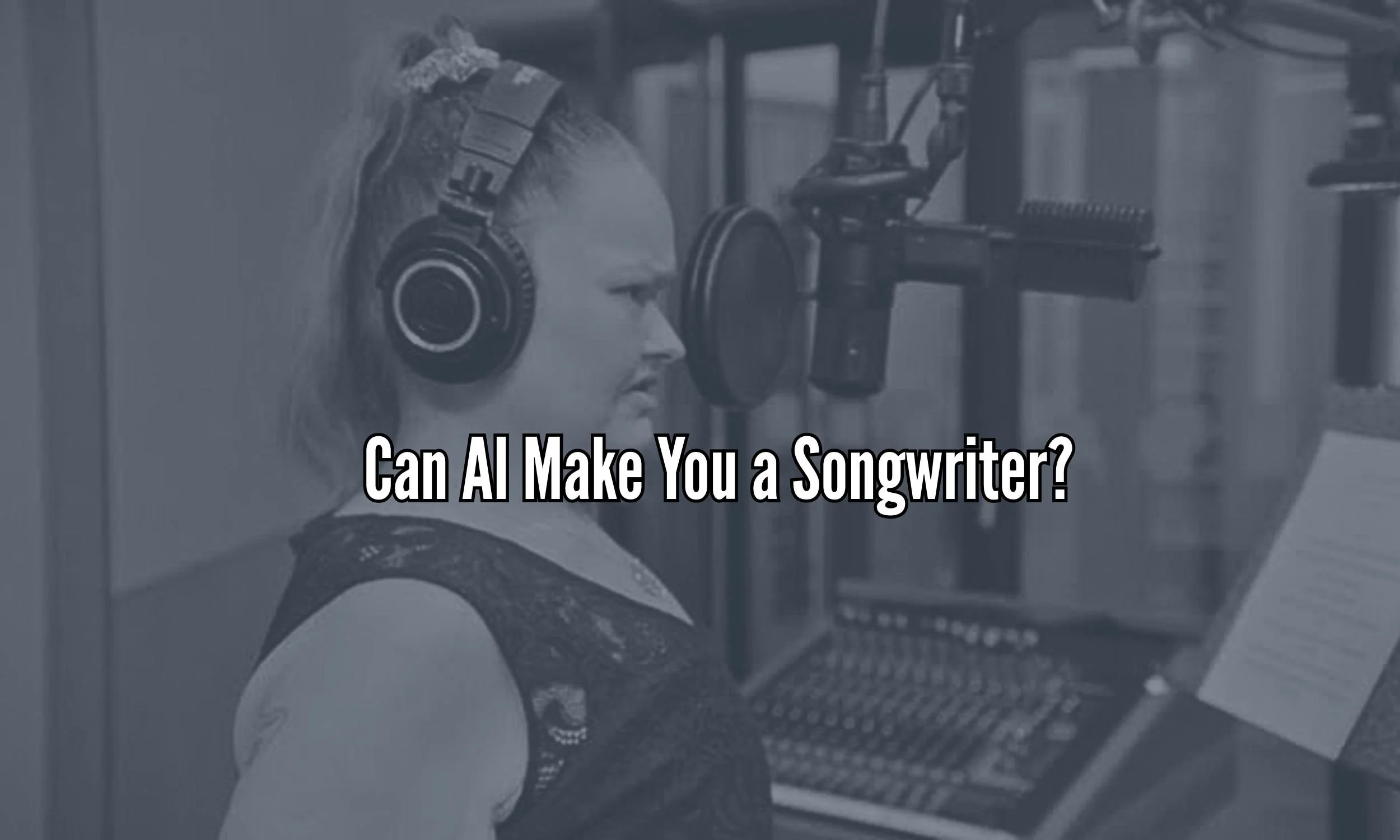
When Amy Slaton of TLC's 1000-lb Sisters visited Nashville recently, she played me songs she had made with artificial intelligence.
She starts with poems and personal stories she has written, then uses AI to turn them into fully produced recordings. One of those songs, "Pounds Hollow," is about a place she remembers from childhood and the time she spent there with her family.
I left that meeting with a question I can't shake. If technology can take your words and hand back a professional-sounding song in a few minutes, what does that make you? A songwriter? A producer? Or someone with a good idea and a text box?
The answer is messier than either side of this debate wants it to be.
What AI Actually Changes
A few years ago, a person with a poem and a dream of hearing it as a song had a long road ahead. They needed a songwriter or a musician to collaborate with, or they had to learn melody and chord progressions themselves. After that came the search for a studio, a producer, and a singer.
Today you can paste in lyrics, name a genre, pick a mood, and hear a finished track with instruments and vocals before your coffee gets cold.
For someone who loves music but never had the training or the money, that is a remarkable thing. I understand why Amy is excited about it. People who have carried musical ideas around for years can finally hear them out loud.
That part of the technology deserves to be celebrated.
Where I Draw the Line
Having an idea, writing a song, and performing a song are three different skills.
AI can generate a melody, build an arrangement, and deliver a polished vocal. But a finished recording tells me very little about the musical ability of the person who typed the prompt.
That matters because of what I listen for when I evaluate a developing artist. I want to hear their instincts, how they communicate emotion, who they are, how they perform, and whether they have something an audience would actually want. A slick recording can make almost anyone sound convincing.
Then that person has to walk onto a stage and sing into a microphone with a room full of people watching. That is a very different test.
Technology can create the recording. It cannot hand you the ability to perform it.
Is Using AI to Make Music Unethical?
Not automatically, in my view. Music has been through this before. Drum machines, sampling, pitch correction, digital recording, and home studios all drew criticism at first. Most of them ended up as ordinary tools.
Generative AI does raise some new problems, though, and three stand out.
Transparency. If you wrote the poem and AI produced the melody, the arrangement, and the voice, there is nothing wrong with saying so. The trouble starts when someone takes credit for work they didn't do.
Copyright. AI music companies are facing lawsuits over how their systems were trained and whether copyrighted recordings and compositions were used without permission. For professional songwriters and publishers, who pay their bills with intellectual property, this is a serious matter.
Originality. Millions of people are using similar tools trained on the same existing music. What happens to the individuality that makes great artists worth hearing?
These questions deserve real answers. Declaring all AI music garbage doesn't provide one, and neither does telling traditional musicians to step aside.
What the Reaction to Amy Tells Us
Amy's music has drawn strong reactions. Some viewers have cheered her on for chasing something that makes her happy. Others, including working musicians, question whether a song generated by AI deserves the same recognition as one that was written, composed, recorded, and performed the traditional way.
I see both points. I would never tell someone to stay out of music because they lack formal training. Music has always belonged to everyone.
I also have deep respect for the songwriters who spend years learning their craft, the players who put in thousands of hours, and the singers who work to find their own voice. Lifting up one group shouldn't require tearing down the other.
There is room for people who make music for the joy of it, and room for people who give their lives to mastering it. What matters is knowing which one you are doing.
My Advice to Aspiring Artists and Songwriters
I won't tell you to avoid AI. I'll tell you to try it.
Use it to test arrangements, explore different directions for a song, or hear your lyrics in a genre you hadn't considered. It can teach you a lot.
Just don't let it stand in for your own development.
If you want to be a songwriter, study songwriting. Figure out what makes a melody stick. Learn song structure. Write with other people. Rewrite your lyrics until every word has earned its spot.
If you want to be a recording artist, work on your voice, your stage presence, and your ability to connect with a crowd.
Those skills still matter. As AI-generated recordings flood the market, I believe they will matter even more.
The Question That Really Matters
People make music for different reasons. Some want to express themselves. Some want to preserve memories for their families. Some want to build a career.
Those goals shouldn't be measured by the same yardstick.
If AI helps someone turn a personal poem into a song to share with their kids, their friends, or their parents, I think that is a good thing.
If the goal is to compete as a professional artist, the bar goes up. Now we are talking about artistic identity, original talent, live performance, a real connection with an audience, and the discipline to keep going year after year.
My concern isn't that more people will be able to make songs. It's that aspiring artists will confuse a polished recording with the talent and skills a career demands.
AI may let almost anyone create a song. It still takes something human to make people care about the artist behind it.
That is where I believe the opportunity still lives.
Clay Myers is the founder of Nashville Music Consultants, where he advises aspiring artists, songwriters, and families on artist development, music career strategy, and navigating today's changing music industry.
If you're serious about your music career and want experienced guidance on your next steps, schedule a free 30-minute consultation with Nashville Music Consultants.